

Introduction: The Significance of Learning Tamil
Tamil, one of the world’s oldest languages, is celebrated for its deep cultural and historical roots. Declared a classical language of India in 2004, Tamil boasts a long history, a rich literary tradition, and a significant global presence. Spoken by approximately 66 million people, Tamil is an official language in Tamil Nadu, Puducherry, and several international regions, including Sri Lanka, Singapore, Malaysia, Mauritius, Fiji, and South Africa. This widespread usage highlights Tamil's importance not only in India but also across the global Tamil diaspora, making it a key language for cultural preservation and communication.
Challenges in Learning Tamil
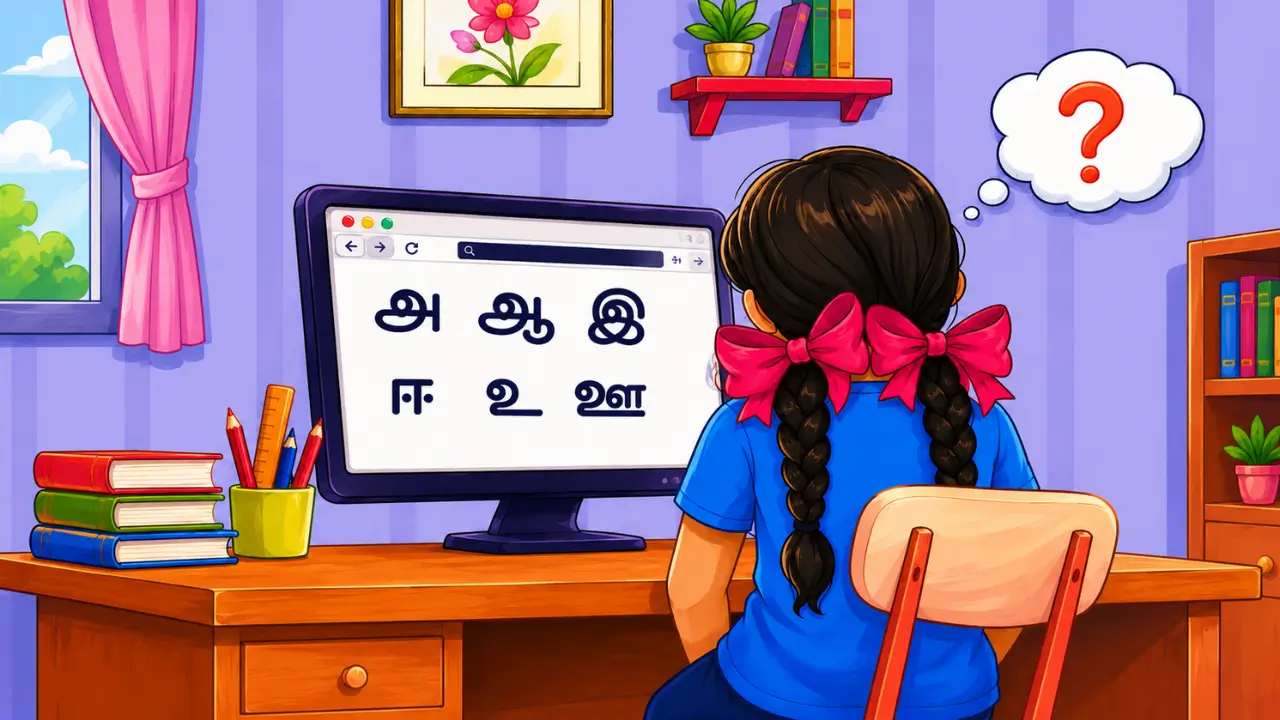
1. Complex Script and Phonetics: The Tamil script, derived from ancient Brahmi, consists of unique characters that can be particularly challenging for new Tamil learners. The phonetic system includes sounds not found in many other languages, making pronunciation and writing Tamil difficult. Additionally, the syllabic nature of the script adds another layer of complexity for learners trying to master the written form.
2. Rich Literary Tradition: From Sangam poetry to contemporary works, Tamil literature spans a wide range of styles, requiring learners to dive into the historical context and cultural significance of the language.Understanding and interpreting these texts requires not just language skills, but a deep appreciation of Tamil's cultural richness.
3. Dialect Variations: Tamil is spoken across several regions, including Tamil Nadu, Sri Lanka, and other Tamil-speaking areas. The variations in vocabulary, pronunciation, and usage between these regions can cause confusion for learners. Understanding these dialectal differences is crucial for effective communication and mastery of the language.
4. Cultural Context: Mastery of Tamil involves much more than just linguistic skills; it requires an understanding of the cultural nuances, idiomatic expressions, and historical references that enrich the language. This deep cultural knowledge is essential for understanding the subtleties of Tamil communication and mastering the language’s full potential.
5. Complex Grammar and Syntax: Tamil grammar features a sophisticated system of verb conjugations, noun cases, and sentence structures. The agglutinative nature of Tamil, where affixes are added to base words to alter meaning, can be overwhelming for learners accustomed to languages with simpler grammar rules. This complexity makes Tamil grammar a challenging but rewarding aspect of learning the language.
6. Lack of Resources: Despite its significance, resources for learning Tamil can be limited compared to more widely spoken languages.This scarcity of quality learning materials makes it difficult for learners to find effective Tamil language resources, whether in the form of textbooks, online tools, or Tamil learning apps.
Strategies for Overcoming Learning Difficulties
1. Immersive Learning Techniques: Immerse yourself in Tamil through various forms of Tamil media, including Tamil films, music, and literature. Engaging with native Tamil speakers and consuming Tamil content helps acquire authentic pronunciation and usage, making the language come alive in its cultural context. This immersion is one of the best ways to reinforce language learning naturally.
2. Interactive Learning Tools: Utilizing interactive Tamil learning tools and educational games can make learning Tamil both fun and effective. Platforms like Playwithtamil offer gamified learning experiences that integrate Tamil culture, interactive challenges, and engaging activities, making language acquisition enjoyable for kids and adults alike.
3. Cultural Immersion: Actively participating in Tamil-speaking communities and cultural events provides practical language practice. Engaging with Tamil culture on a deeper level through cultural immersion can provide learners with a richer understanding of the language and improve communication skills. This real-life interaction reinforces Tamil language learning and enhances cultural understanding.
4. Tailored Learning Approaches: Personalizing learning strategies to fit the needs of individual learners can significantly improve language outcomes. Using visual aids, interactive exercises, and real-life conversation practice allows learners to address specific Tamil language learning challenges and enhances comprehension. Tailoring the approach to individual strengths helps accelerate the learning process.
5. Language Exchange Programs: Participating in language exchange programs where learners practice Tamil with native speakers offers valuable conversational practice and cultural exchange. This approach fosters practical language use, improves fluency, and gives learners a deeper understanding of the nuances of Tamil communication.
6. Structured Learning Paths: Enrolling in structured Tamil language courses or programs that offer clear progression from basic to advanced levels ensures comprehensive coverage of all aspects of the language. Structured learning paths provide systematic learning and can help learners move through complex areas such as Tamil grammar, vocabulary, and pronunciation more effectively
Teaching Tamil in a Fun Way
Teaching Tamil to children can be challenging, but it is also immensely rewarding. One of the most effective ways to make learning Tamil enjoyable is by incorporating creative and thought-provoking activity-based games. Platforms like Playwithtamil have developed educational Tamil games and materials that introduce Tamil through interactive and engaging activities. These games not only enhance language skills but also keep children motivated and excited about learning.
Unique Features of Playwithtamil
1. Cultural Integration: Playwithtamil integrates Tamil culture into every game, providing a cultural learning experience alongside language acquisition.
2. Adaptive Learning Paths: Our platform offers personalized learning paths that adjust to each child’s progress, ensuring effective and individualized Tamil learning.
3. Multisensory Learning: We use a multisensory approach, combining visual, auditory, and kinesthetic elements to make learning Tamil more engaging and effective.
4. Community and Collaboration: Students can collaborate through interactive challenges and peer learning activities, fostering a sense of community while building their Tamil language skills.
5. Engaging Game Mechanics: Our games feature quizzes, puzzles, and interactive scenarios that keep learning dynamic and fun, maintaining student interest throughout the process.
Explore Playwithtamil and Revolutionize Tamil Learning
Discover how Playwithtamil’s innovative educational games can revolutionize your child’s Tamil learning journey. Our platform offers a unique blend of cultural immersion and interactive fun, making language acquisition an exciting and engaging adventure..
Conclusion
Overcoming the challenges of learning Tamil is achievable with the right tools and strategies. Embrace the journey with Playwithtamil’s unique educational games and make Tamil learning a captivating and rewarding experience. Visit Playwithtamil today and transform your child’s language learning adventure into something fun and culturally enriching.


